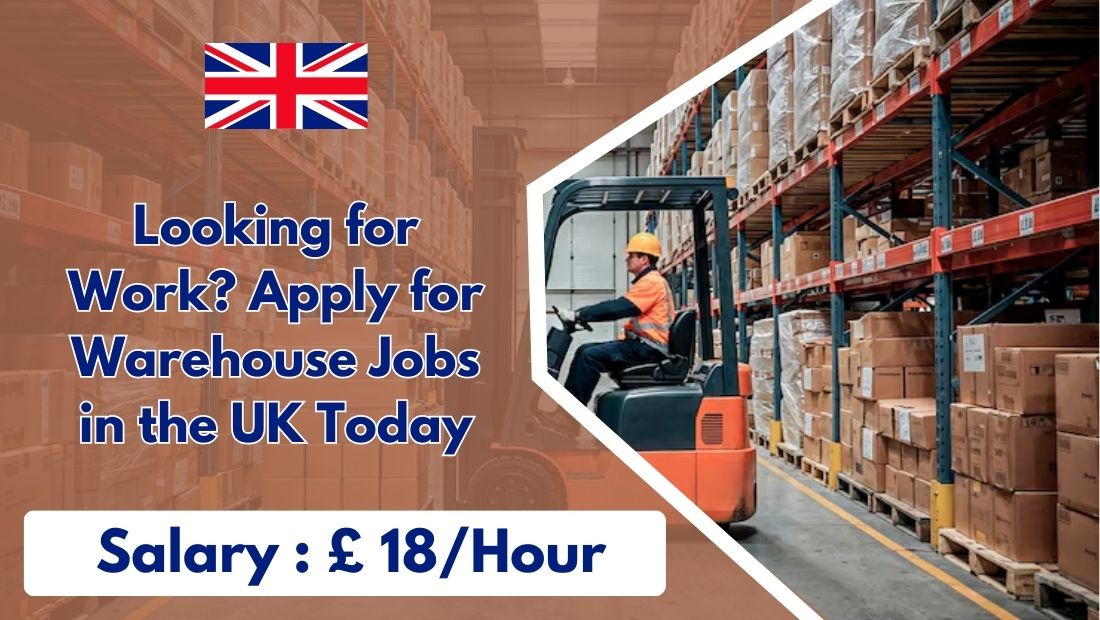
The logistics and supply chain industry is the backbone of the United Kingdom’s economy. With the continuous growth of e-commerce, retail, and global trade, warehouse jobs in the UK have become one of the most in-demand employment opportunities. From handling goods to managing stock and preparing shipments, warehouse roles are essential for keeping supply chains running smoothly.
For international job seekers, the good news is that many UK warehouses and logistics companies offer visa sponsorship for qualified candidates. This means foreign workers can secure stable employment while experiencing life in the UK.
Why Consider Warehouse Jobs in the UK?
Working in a UK warehouse can be rewarding, especially for those looking for entry-level roles or long-term career opportunities. Here’s why warehouse jobs are popular:
- Visa Sponsorship: Some employers are willing to hire international staff under the Skilled Worker Visa program.
- No Advanced Degree Required: Many roles only require basic education and training.
- Competitive Pay: Wages are fair, with overtime and shift allowances.
- High Demand: E-commerce growth ensures steady job opportunities.
- Career Growth: Workers can move into supervisory, logistics, or supply chain management positions.
- Nationwide Openings: Warehouses are located across the UK, not just in big cities.
Common Warehouse Roles in the UK
Warehouse jobs come in different categories depending on skills and responsibilities. Some common roles include:
- Warehouse Operatives – Picking, packing, and sorting goods.
- Forklift Drivers – Operating machinery to move heavy items.
- Stock Controllers – Managing inventory and ensuring accuracy.
- Supervisors / Team Leaders – Overseeing staff and daily operations.
- Logistics Assistants – Supporting delivery and shipment planning.
- Quality Inspectors – Checking goods for damage or errors.
This diversity makes warehouse work suitable for both entry-level workers and experienced staff.
Salaries for Warehouse Jobs in the UK
Here’s an overview of typical warehouse salaries:
| Job Role | Average Salary (Hourly/Yearly) | Monthly Estimate (GBP) |
|---|---|---|
| Warehouse Operative | £10 – £13/hour | £1,700 – £2,200 |
| Forklift Driver | £11 – £14/hour | £1,800 – £2,300 |
| Stock Controller | £20,000 – £25,000/year | £1,700 – £2,100 |
| Supervisor / Team Leader | £25,000 – £32,000/year | £2,000 – £2,600 |
| Logistics Assistant | £22,000 – £28,000/year | £1,800 – £2,300 |
| Quality Inspector | £21,000 – £26,000/year | £1,700 – £2,100 |
Some employers also provide overtime pay, free meals, transport allowances, and holiday benefits.
Apply Here
Visa Sponsorship for Warehouse Jobs in the UK
International workers can be recruited under the UK Skilled Worker Visa, provided the employer is a licensed sponsor. Key details:
- Sponsorship is more common with large logistics companies and e-commerce giants.
- Workers from countries like India, Nigeria, Pakistan, and the Philippines are often recruited.
- Applicants must meet English language requirements and salary thresholds set by UK immigration.
Requirements to Work in a UK Warehouse
Most warehouse jobs don’t require advanced qualifications, but candidates must usually have:
- Basic Education (High school or equivalent).
- Valid Driving/Forklift License (for forklift and machinery roles).
- Good Physical Fitness – Ability to lift, carry, and stand for long hours.
- English Language Skills – For communication and safety compliance.
- Flexibility – Willingness to work shifts, weekends, and holidays.
Employers often provide training, so prior experience is helpful but not always mandatory.
How to Apply for Warehouse Jobs in the UK
Follow these steps to secure a position:
Step 1: Prepare Your CV
Highlight any warehouse, logistics, or physical labor experience.
Step 2: Search for Employers
Focus on large warehouse operators, e-commerce companies, and retail distribution centers.
Step 3: Confirm Visa Sponsorship
Check if the company is a licensed sponsor for the Skilled Worker Visa.
Step 4: Get Ready for the Interview
Employers may test basic skills like teamwork, stamina, and attention to detail.
Step 5: Complete Training and Start Work
Once selected, you’ll undergo safety and operational training before joining.
UK Locations with Warehouse Jobs
Warehouse opportunities are spread across the UK, including:
- London & Greater London – Retail and e-commerce warehouses.
- Manchester & Liverpool – Logistics and distribution hubs.
- Birmingham & Midlands – Major warehousing centers.
- Leeds & Yorkshire – Supply chain facilities.
- Scotland (Glasgow & Edinburgh) – Regional warehouses.
This ensures job seekers can find positions in different regions based on preference.
Benefits of Warehouse Jobs in the UK
Working in UK warehouses comes with many benefits:
- Stable income and regular shifts.
- Overtime pay and night shift allowances.
- Opportunities to move into logistics and supply chain careers.
- Training and certifications provided by employers.
- Access to health insurance, pensions, and paid holidays.
Challenges of Warehouse Jobs
Like any career, warehouse work has challenges:
- Physical Demands: Heavy lifting and long hours on your feet.
- Shift Work: Night and weekend shifts are common.
- Fast-Paced Environment: Meeting daily targets can be demanding.
- Repetitive Tasks: Work can become routine without variety.
For motivated workers, these challenges provide resilience and valuable experience.
Who Can Apply?
Warehouse jobs in the UK are suitable for:
- Entry-level workers seeking employment abroad.
- International applicants looking for visa sponsorship.
- Experienced warehouse staff and forklift drivers.
- Candidates willing to work flexible shifts in logistics.
Final Thoughts
Warehouse jobs in the UK are an excellent pathway for both local and international workers. With visa sponsorship available for selected roles, competitive salaries, and opportunities across the country, warehouses provide stable and rewarding employment.
If you’re ready to begin your career in the UK, now is the perfect time to apply. Warehouse jobs offer financial stability, long-term growth, and a chance to become part of one of the UK’s most important industries.